
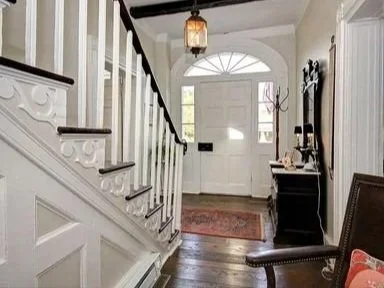
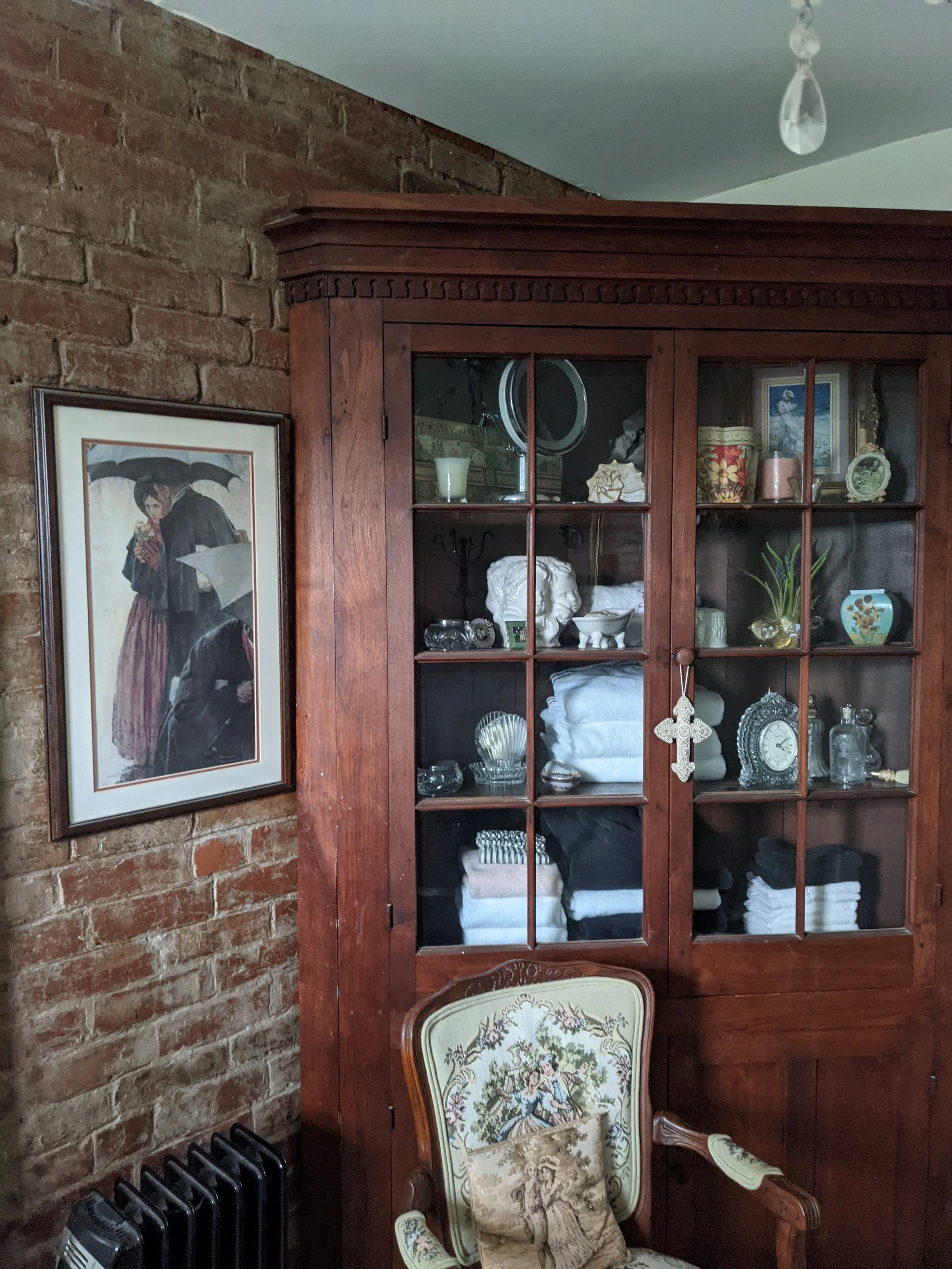
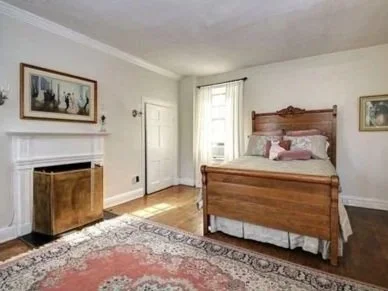
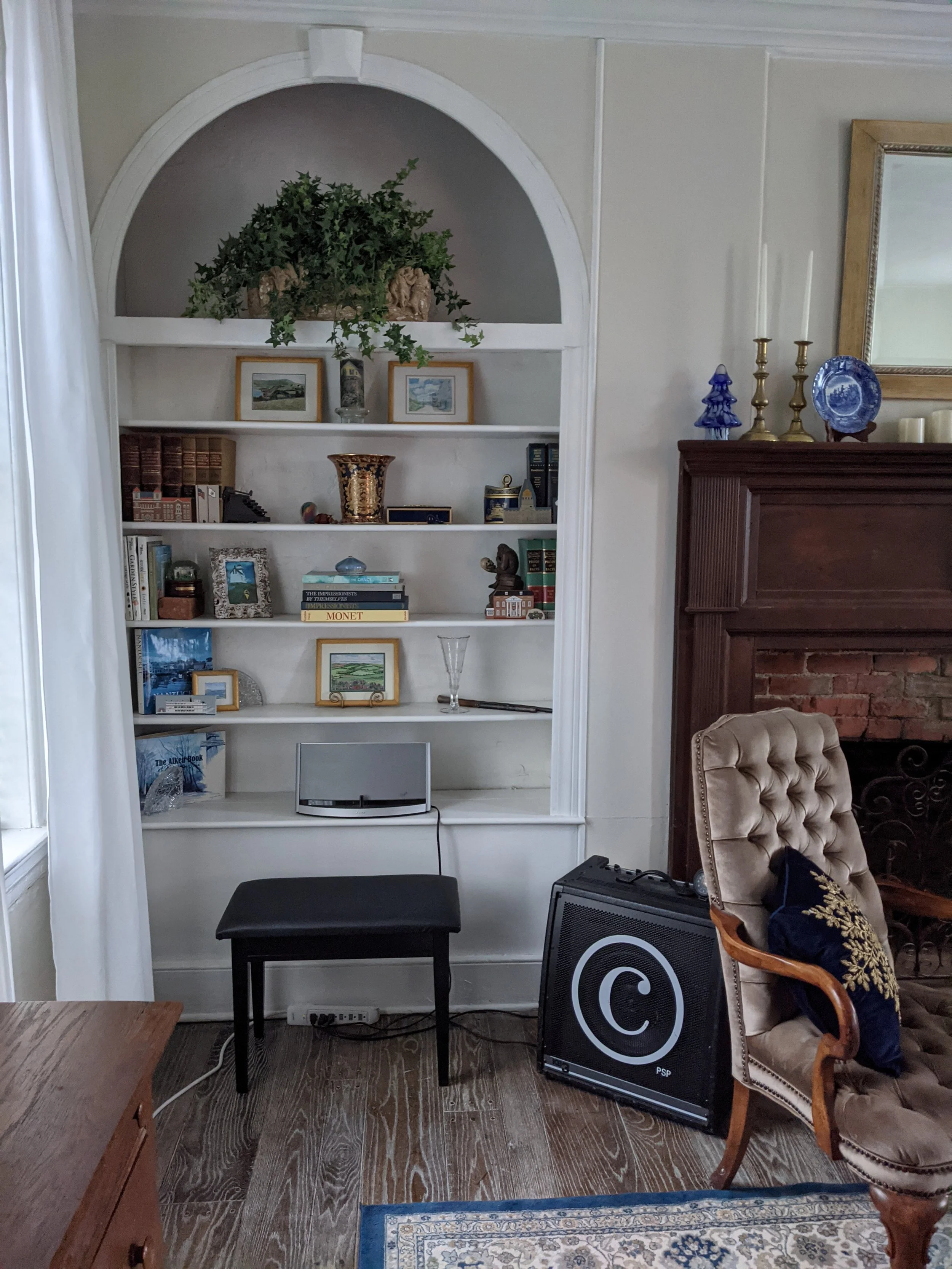
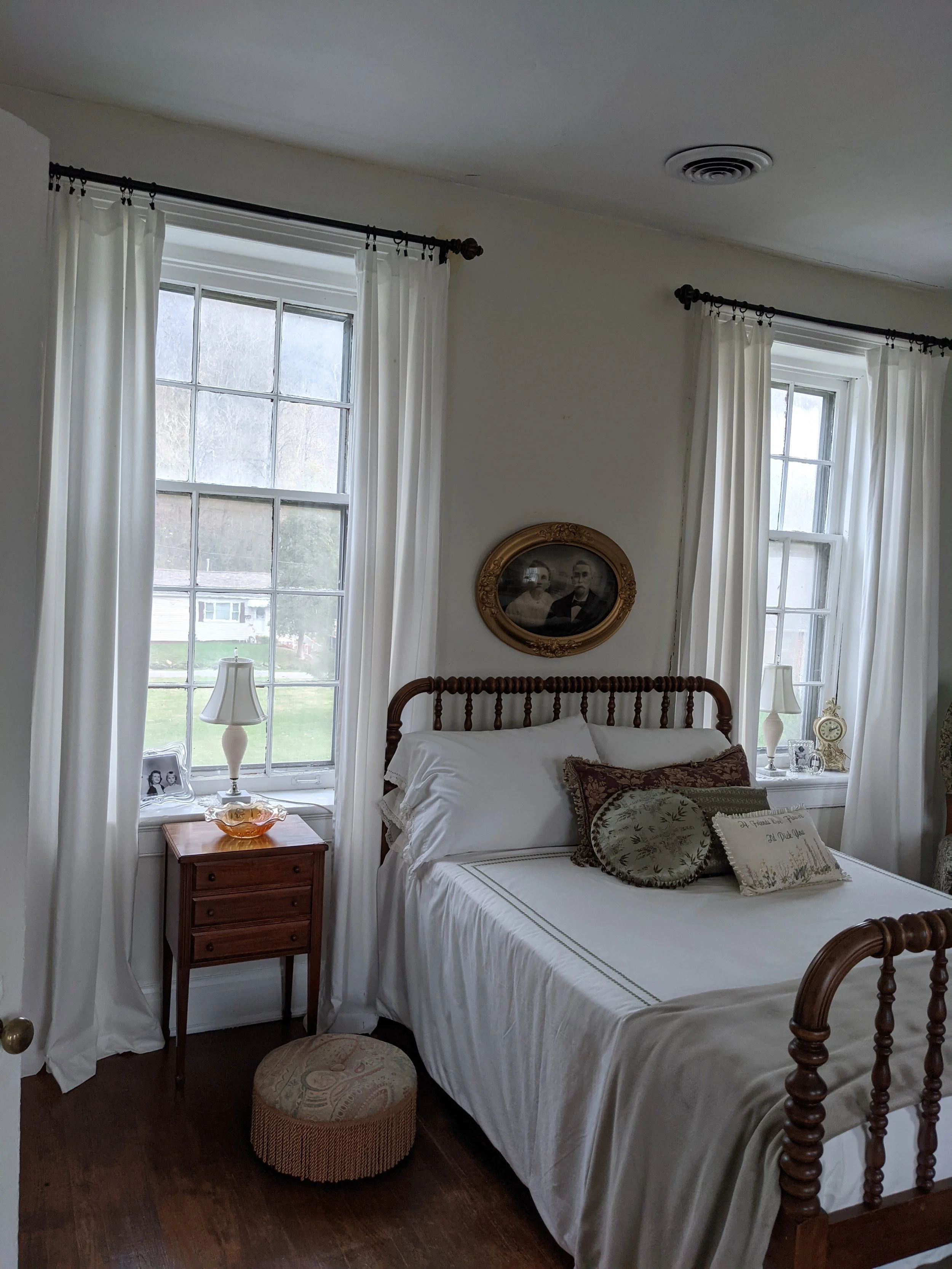
Some rooms within the Putney House
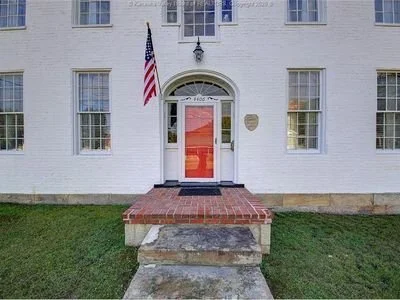
The Putney House
Malden, WV
1836
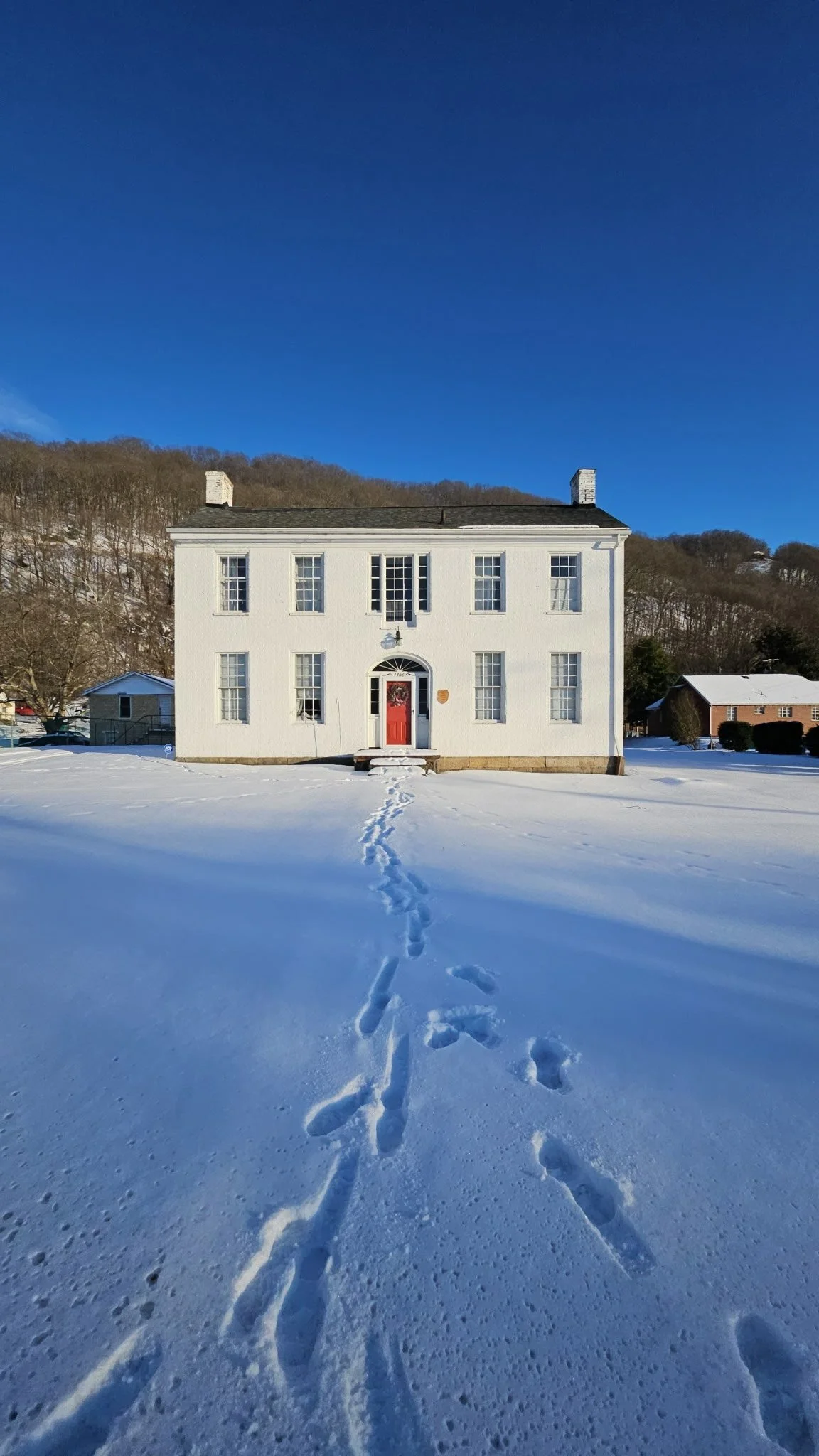
The Richard E. Putney House is a defining landmark on the National Register of Historic Places, designated as one of only three pivotal structures within the Malden Historic District.
As the oldest extant residence in Malden, West Virginia, it offers a window into a time when the region was a booming industrial hub. The home is now a private residence and is much-loved by the history fanatics who reside within it.
The Founders and the Salt Era
The story begins with Dr. Richard Ellis Putney, Sr., who was born in Buckingham County, Virginia, on March 13, 1794. After earning his medical degree, he moved to the Kanawha Valley around 1812 and established a practice in Malden by 1815. His integration into the local elite was cemented when he married Anne Eve Ruffner, the daughter of the prominent salt pioneer David Ruffner.
In 1836, Dr. Putney commissioned the construction of his family home. Built in the Federal style, the imposing two-story brick structure featured the symmetry and classical details, such as an elliptical-arched entrance, typical of the era's prestigious architecture. At this time, Malden was the residential heart of a massive salt industry, with the Ruffner family having bored the first deep brine well in the region.
Family Transitions and the Civil War
The Putney family was deeply involved in the community's spiritual and civic life. Richard Ellis Putney, Jr., born in 1818, spent nearly his entire life in Malden, serving as a merchant, magistrate, and a dedicated elder of the Kanawha Salines Presbyterian Church.
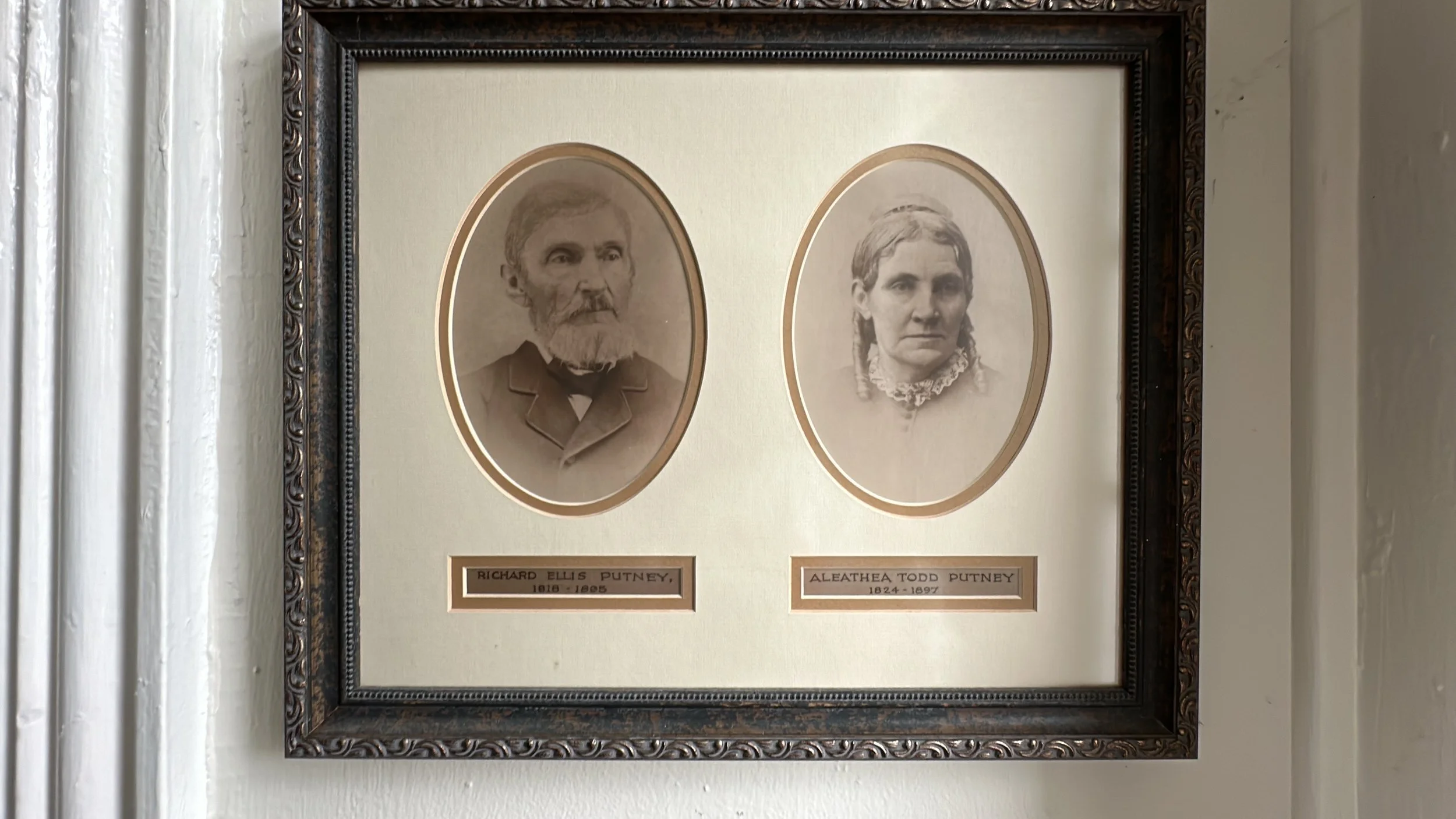
Richard E. Putney and Alethea Todd Putney
The Civil War era brought significant change to the household. Dr. Richard Putney, Sr. passed away on May 22, 1862, at the age of 68. The war also took a personal toll on the family; Richard Garland Putney, the eldest son of Richard Jr., died in Malden on October 1, 1863, at only 21 years old. During these tumultuous years, West Virginia officially became a state on June 20, 1863.
The Church Manse and Modernization
Following the death of the elder Dr. Putney, the house remained in the family until it was sold to the Kanawha Salines Presbyterian Church to serve as its manse. For the next 84 years, it housed various pastors, including Rev. J.W. Carpenter, who resided there from 1907 to 1918.
During its tenure as the manse, the house saw several updates:
Architectural Changes: Around 1870, a one-story rear addition and a three-bay front porch were added, blending the original Federal style with Victorian influences.
Modern Amenities: In 1910, the house became the first in Malden to feature a modern indoor bathroom.
Community Hub: The "manse yard" was the site of significant community events, such as the 8th Annual Homecoming in 1916, where Rebecca Putney performed for the congregation.
Preservation and Restoration
In 1952, the church built a new manse and sold the Putney House to C.C. Dickinson, who was "sentimentally attached" to the mansion. After a period as a rental property, the house was purchased in 1973 by James C. Jeter and James H. Coleman, local attorneys, who undertook a meticulous restoration.
Their efforts were recognized in 1980 when the house was designated as one of three "pivotal structures" in the Malden Historic District. This status reflects its importance as a largely unaltered example of early 19th-century architecture. Ownership continued through the decades, with Marla Coleman selling the property to the Milhoan Family in March 2021, ensuring the legacy of the Putney House will continue into its third century.
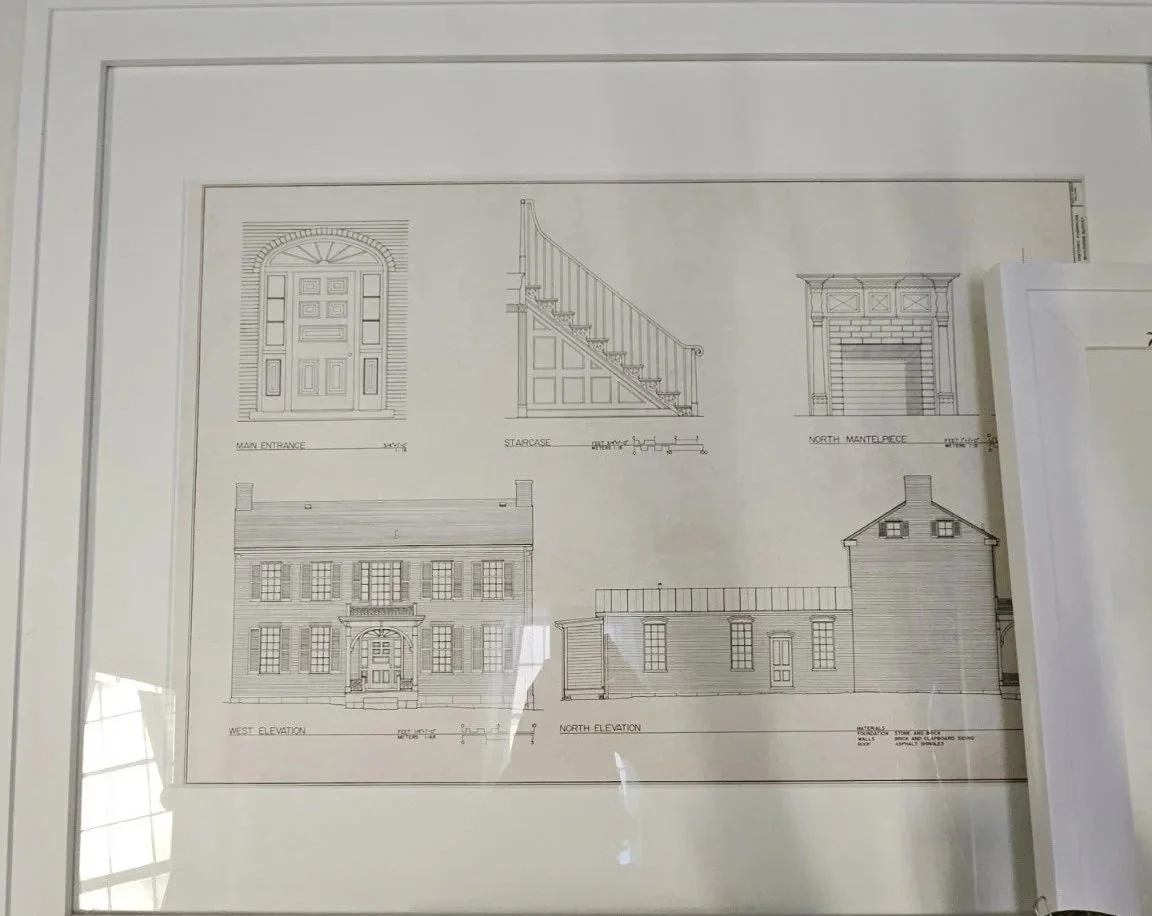
Photographs inside and about the Putney House
Some of the house’s blueprints
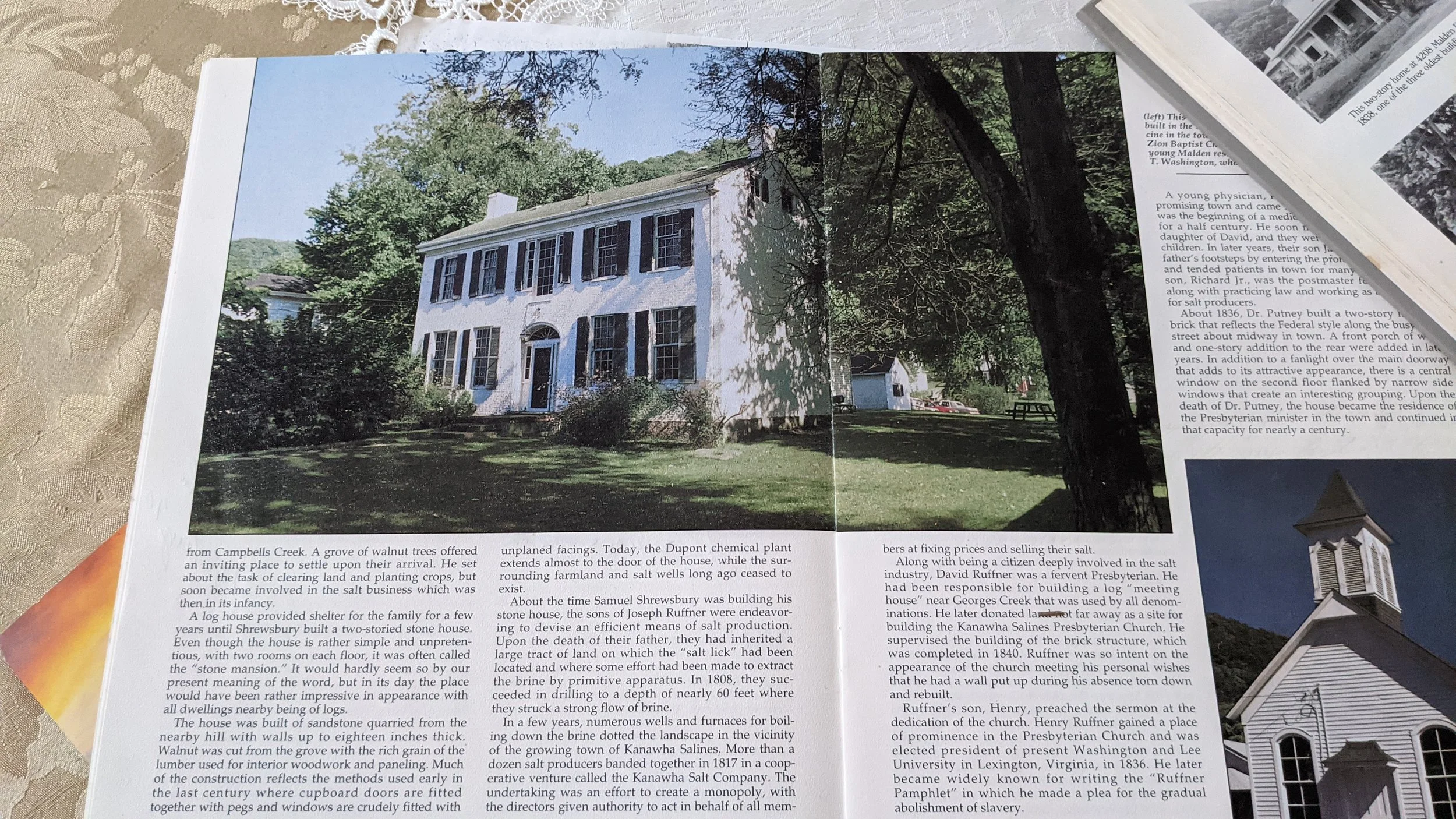
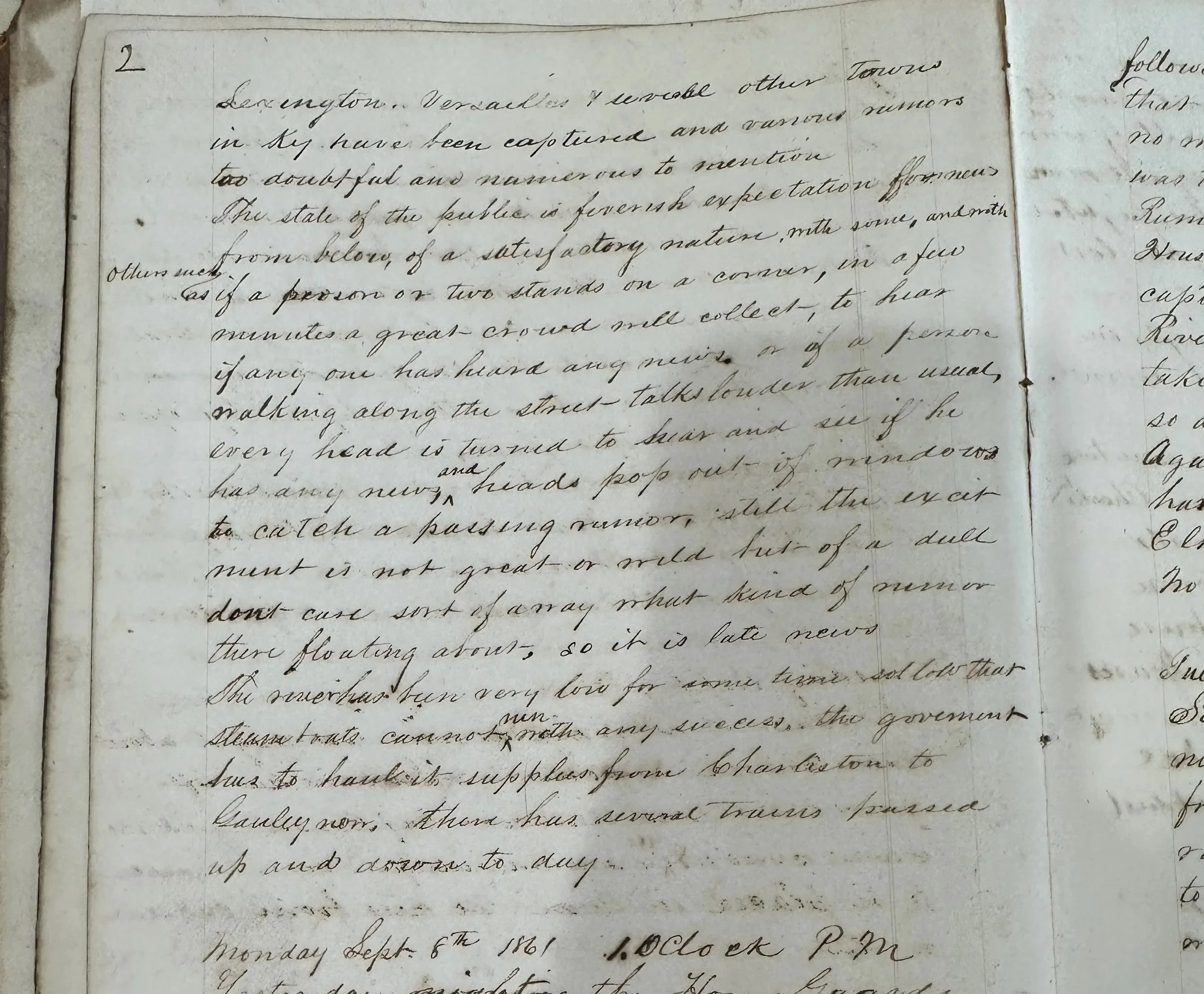
A snippet of a journal written by Garland Putney. His last entries were just months before his untimely death in 1863. This snippet is from a week of entries from September 1861, as he discussed what it was like in Malden during the Civil War.